How does LinkedIn actually decide who gets your post translated?
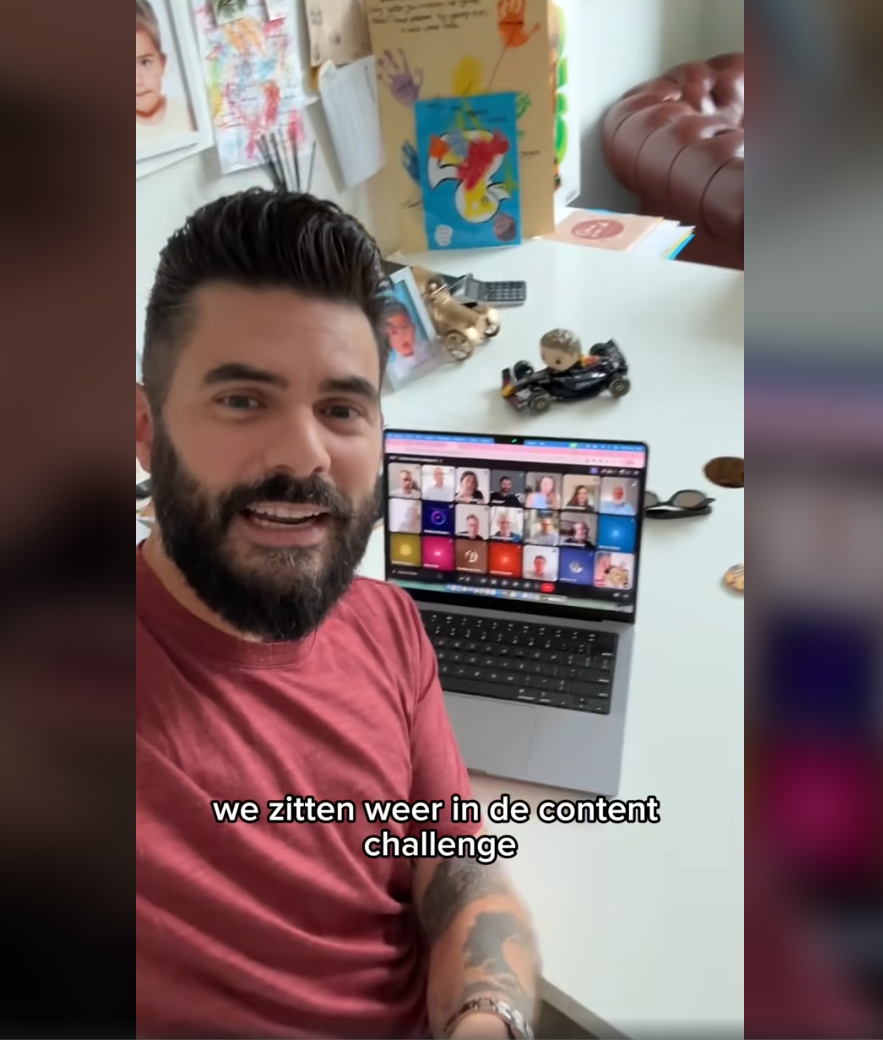
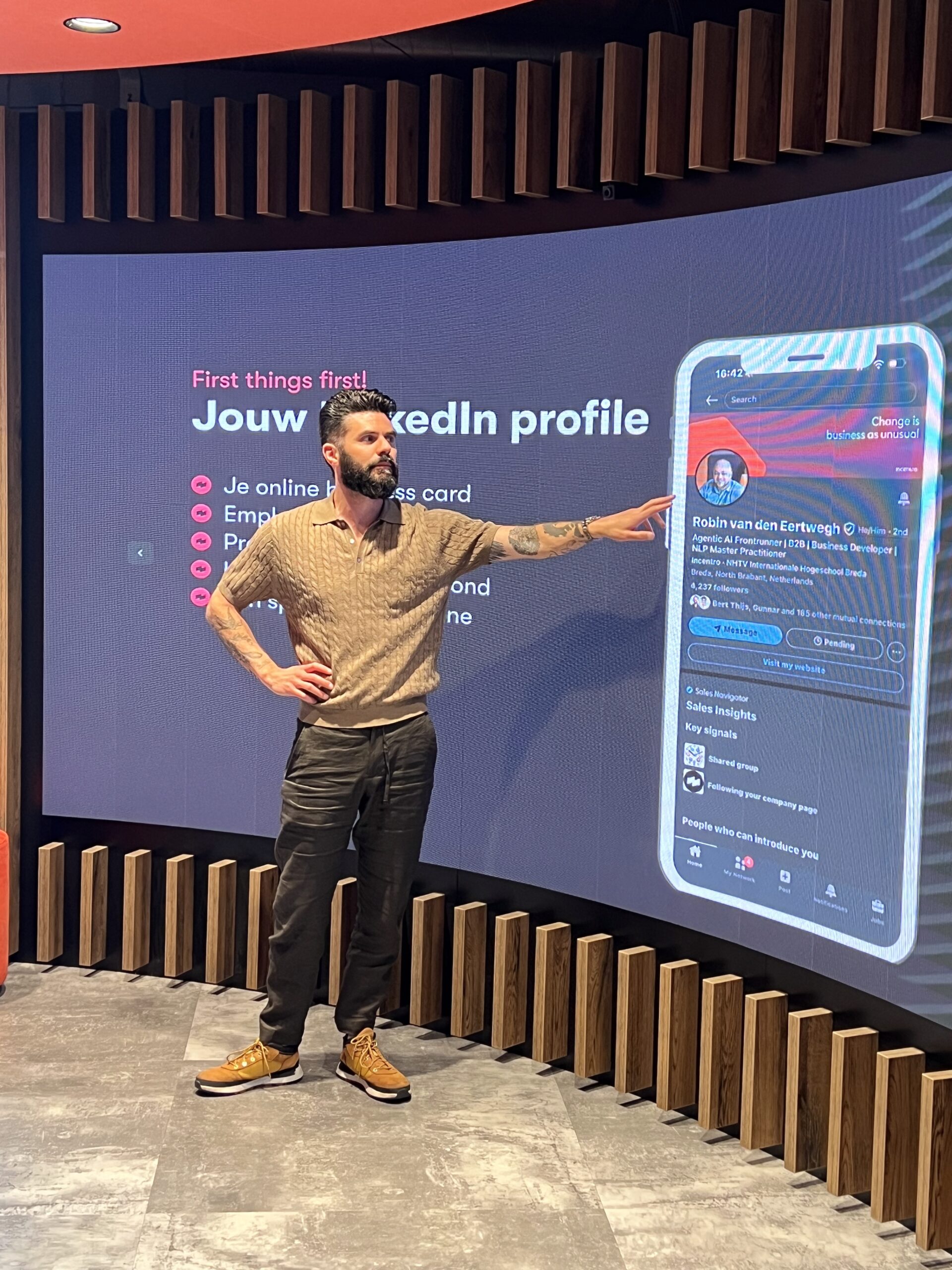
This was probably my biggest learning from last week’s Content Challenge.
And this is exactly what I enjoy about these challenges.
Every group is different. Different people, different companies, different backgrounds.
And that means I get questions every time that sometimes make me dig a little deeper myself.
This time, I was given two posts to optimise on the spot.
Coincidentally, they were both written in two languages.
Dutch first.
And then the exact same text again in English.
“That’s not necessary,” I said almost immediately.
LinkedIn can translate posts for people who need it.
But then came the obvious follow-up question:
“But how does LinkedIn know who needs which translation?”
So I looked into it.
According to LinkedIn, it uses several signals to make that decision.
One important factor is the language someone uses on LinkedIn — the language of the interface, buttons and menus.
It also looks at the user’s language settings. You can indicate which languages you already understand and therefore don’t need translated.
Your profile language and location can also play a role.
LinkedIn then compares that information with the language it detects in your post.
Based on those signals, it determines whether someone is offered a translation or, in some cases, sees an automatically translated version.
Which also means that, in most cases, you don’t need to write the exact same post twice — once in Dutch and once in English.
Write it in the language that makes sense for your audience and let LinkedIn handle part of the translation work.
It saves space, makes the post easier to read and means your message doesn’t have to appear twice.
Another thing learned. 😄
Now I’m curious about when videos will start being translated automatically too.
Unfortunately, Dutch still seems to lag behind when it comes to some of these innovations. Instagram, for example, still doesn’t support Dutch for this.
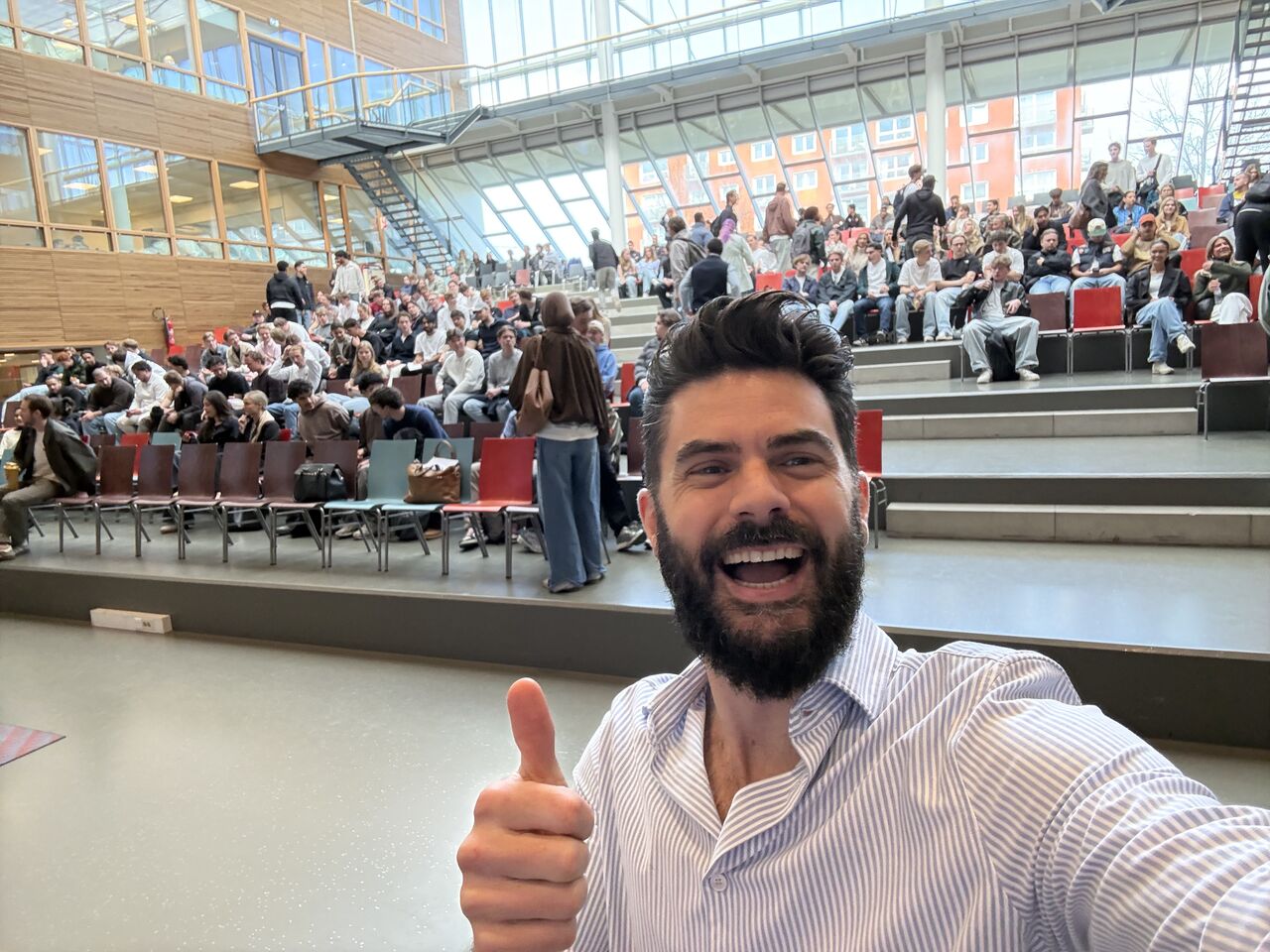
And a huge thank you to everyone who joined and participated so actively.
It’s exactly those questions, examples and discussions that make these sessions so much more fun — and so much more valuable.