How one afternoon of constructive roasting showed that your biggest blind spot sits exactly where you consider yourself the expert
 Live roast of submitted posts and complete profiles
 Concrete insights on content, profile and DM strategy
 Attendees rewrote their profiles the same day
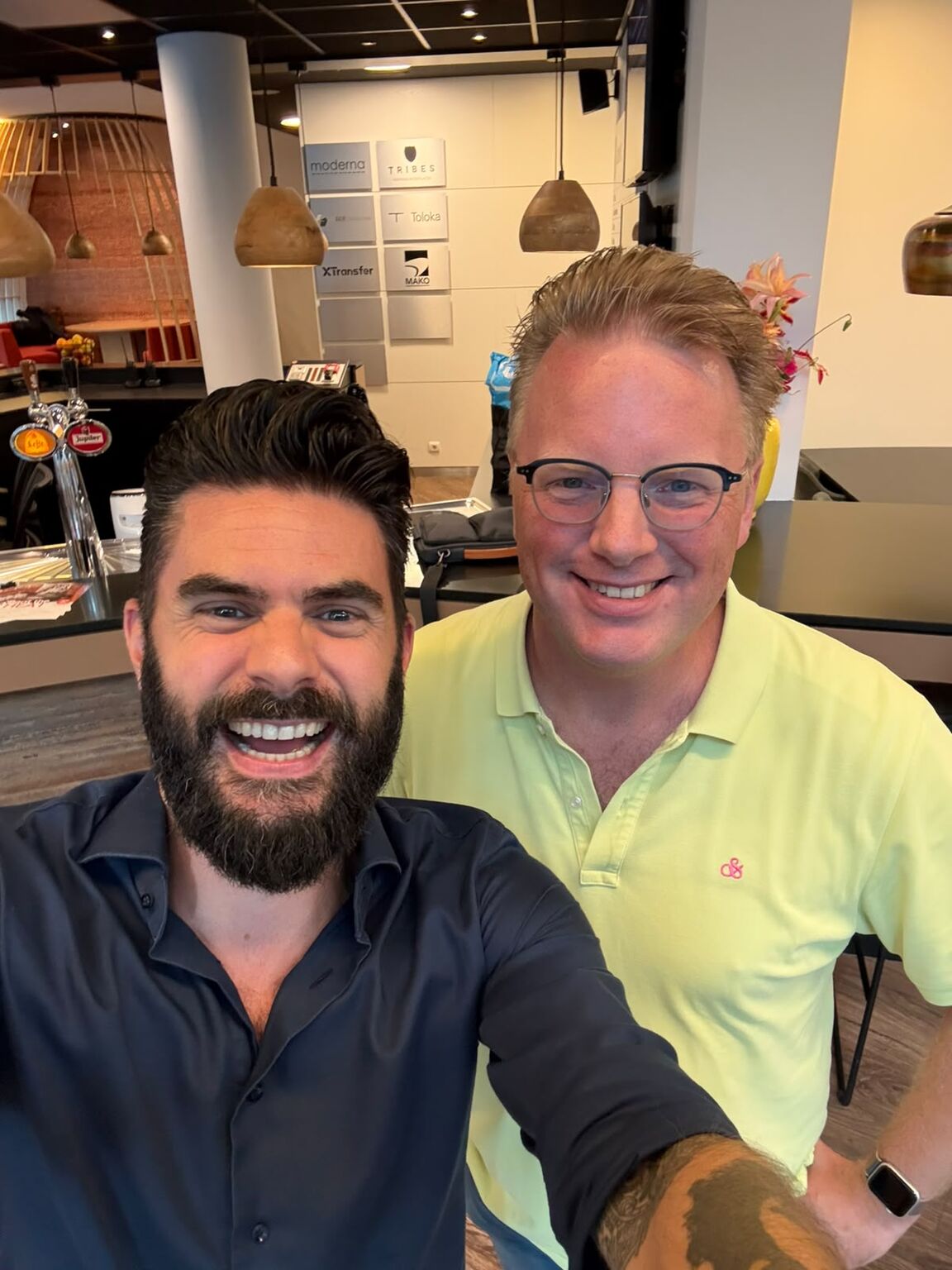 "The blind spot lies where you consider yourself an expert. You stop looking there, because you have already seen it."
The goal of Roast Your Post Live was to confront entrepreneurs and professionals with what their LinkedIn presence actually does — instead of what they think it does.
The focus was on:
On top of that, the aim was to give feedback the way it is rarely given: publicly, directly and constructively. Not to tear anyone down, but because vague feedback helps no one.
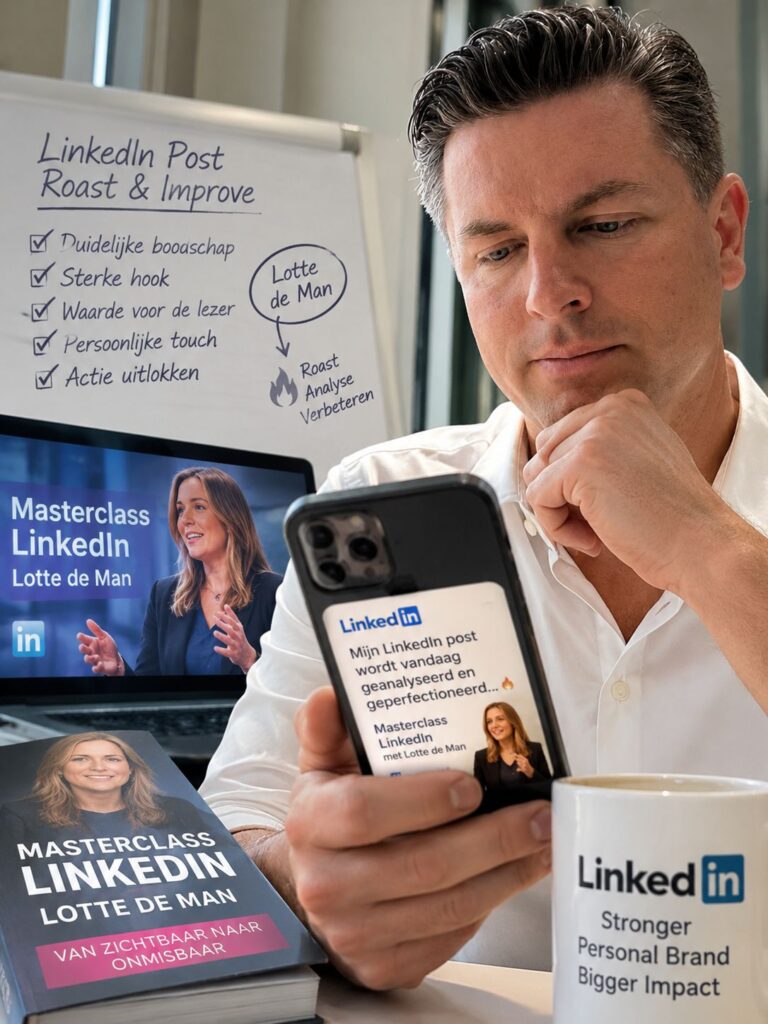
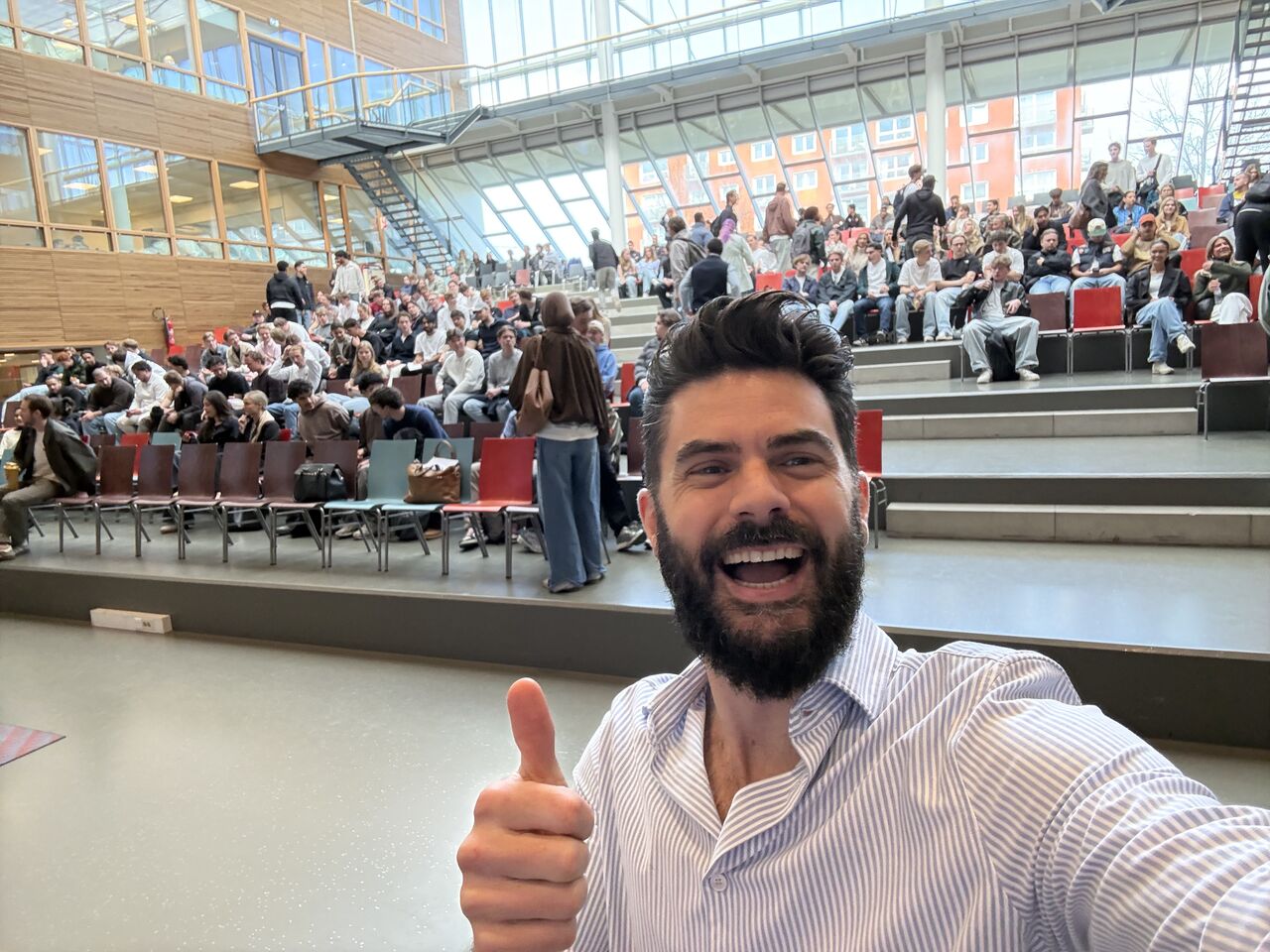
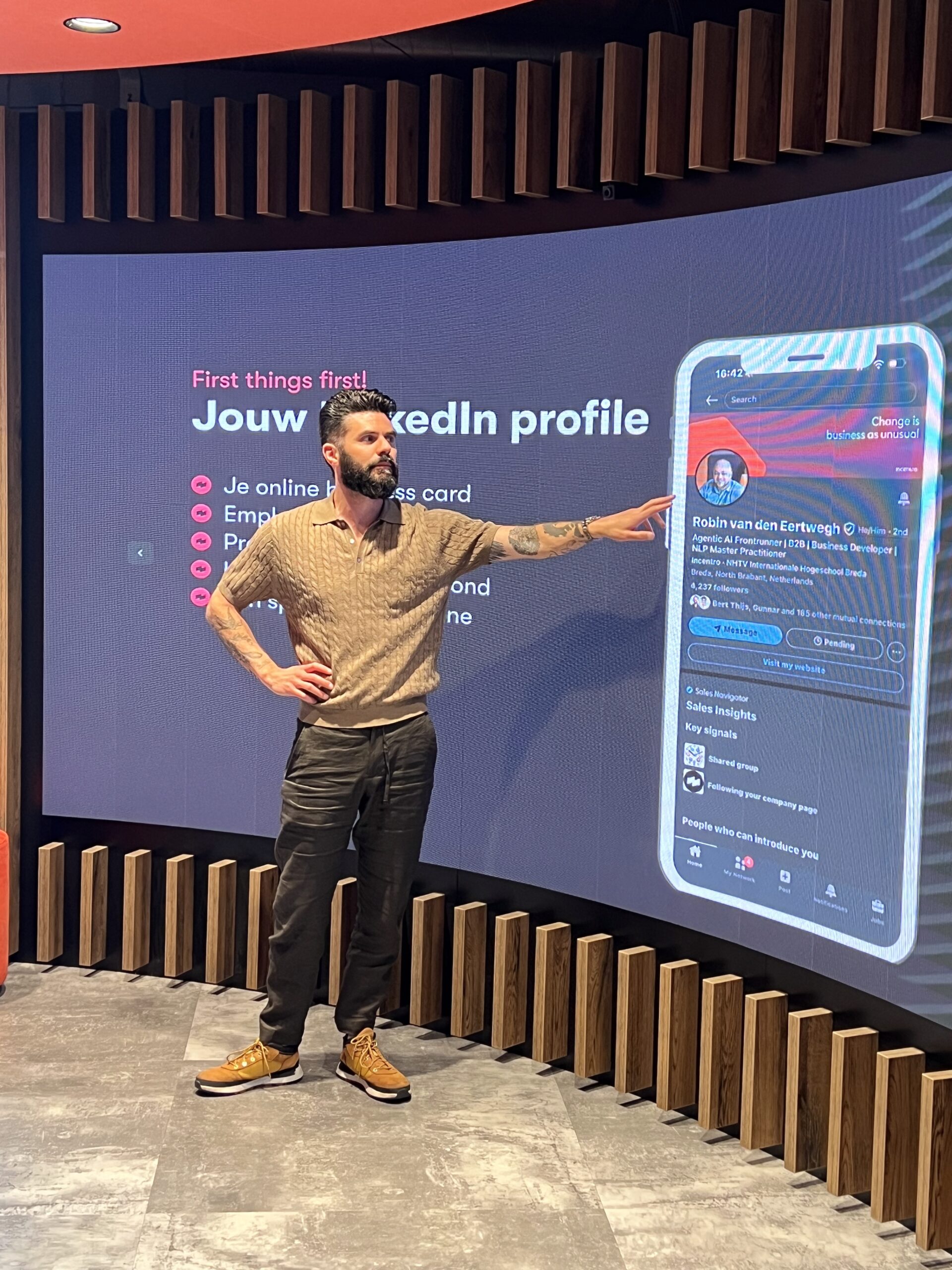
Attendees submitted one of their own LinkedIn posts in advance. Those posts were analysed live and in public by Lotte de Man and Michiel Verstraten. So many entries came in that not everything could be covered — and even that turned out to be insightful.
The fact that my submitted post was not selected to be ‘roasted’ I’ll take as a compliment 😇. I have never been given so much ‘social media value’ in such a short time.
Benno Brouwer — Managing Partner, Locum Consult · → View the post
What started as a roast of posts quickly became a roast of entire profiles.
A Featured section full of old posts you are proud of sends no one anywhere. And your headline should not state your job title, but what someone gets from you.
My Featured section: old posts I thought were impressive. They send no one anywhere. My header: my job title. While it should say what someone gets from me. And the most painful one: Cialdini. I use his principles weekly at the table with boards and supervisory directors. On my own profile there was nothing of it.
Jeffrey Janssen — Interim CFO/CRO for family businesses and PE portfolio companies · → View the post
Company logos, fixed templates and extra information in the image: meant to create consistency, received as an ad. And ads get scrolled past.
For years I have tried to create consistency in my LinkedIn posts by neatly adding our company logo. It got roasted immediately, because the verdict was crystal clear: this simply reads as advertising. And that hits me, because I love storytelling.
Pascal van Borssum Waalkes — Chief Happiness, HappyCustomers · → View the post
Polished imagery loses out to a spontaneous take. For the craftsmen in the room, that was the hardest advice to accept.
As a filmmaker with over 35 years of experience I am used to getting every detail right. But simply standing in front of the camera without a script, lighting, a microphone and without a second take — for a perfectionist like me that is anything but easy. Still, I get the message.
Rolf Trijber — Event photography and videography, 35+ years of experience · → View the post
Two stubborn beliefs were overturned in a single afternoon: emojis are in fact rewarded, and a link is no longer punished as harshly as everyone assumes.
I had sworn off all emojis. Strict. Principled. Boardroom-worthy. Turns out the algorithm actually rewards them. 🤷♂️
Jeffrey Janssen · → View the post
The concrete guidelines the room took home:
Takeaways noted by Alexis van Dam, Partnership Builder & Lecturer Sales & Marketing.
The sharpest confrontation was not about content, but about what you do with the attention you get.
I am going to DM far more deliberately. Not just responding to a profile visit or a like now and then, but consciously choosing who I want to speak to, why that person, and how I turn a first contact into a real conversation. According to Michiel I am still leaving about 80% of the potential on the table. That landed 😅.
Susan van Hes — ProjectleidersAcademie · → View the post
An interim CFO who applies Cialdini weekly in boardrooms applied none of it to his own profile. A filmmaker with 35 years of experience knew everything about light, framing and editing — and precisely because of that, nothing about showing up authentically. A specialist in making blind spots visible in projects found a few in her own shop window.
That is exactly where the mechanism sits: where you consider yourself the expert, you stop looking.
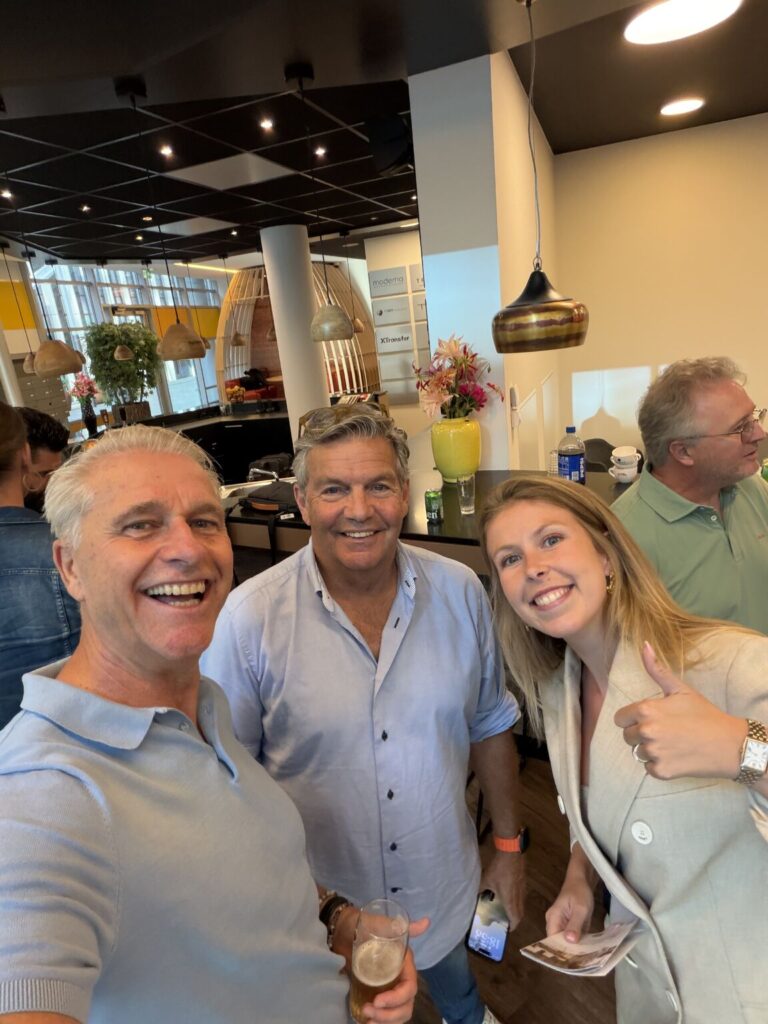
The impact was not something for next quarter, but for that same evening:
My profile looks different tonight than it did this morning.
Jeffrey Janssen · → View the post
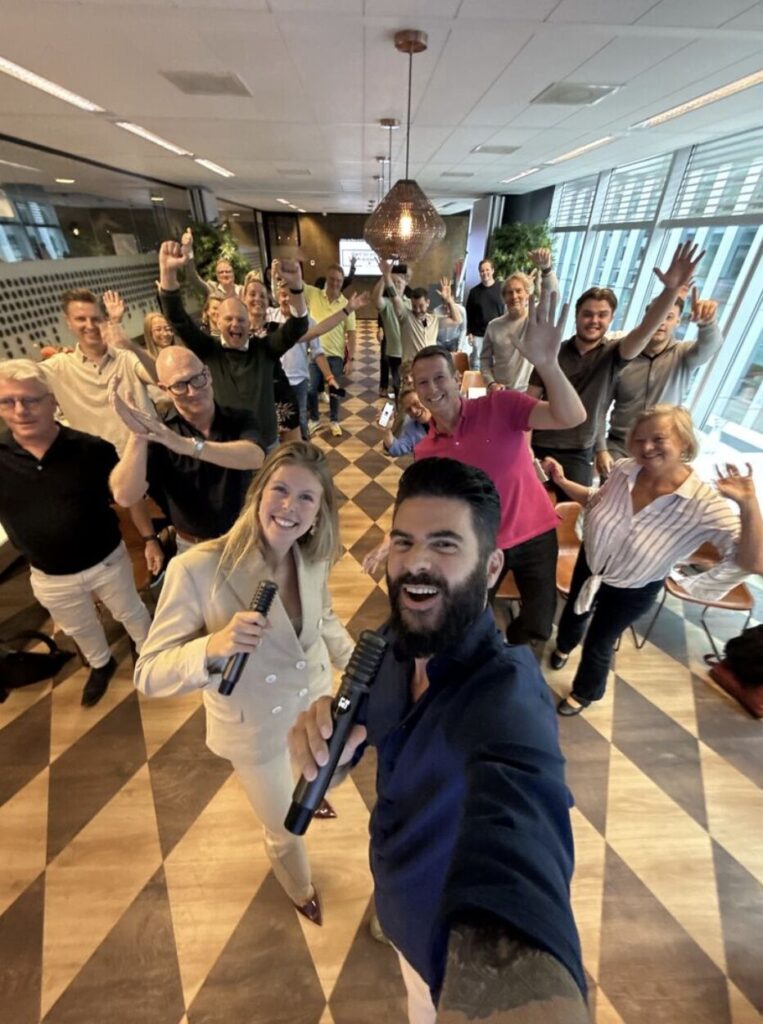
What stuck most was that knowing and applying are two different things. Almost everyone in the room was already doing a lot on LinkedIn. Doing a lot, it turned out, is something else than doing it smartly and strategically.
Feedback feels uncomfortable because it touches something you are proud of. But it is exactly that one outsider with a sharp eye who sees what you have come to consider normal.
And that is precisely the difference between posting and being found.
The best review of a roast is what people write about it afterwards. This is what the attendees shared on LinkedIn (in Dutch):